



Why Is Digital Marketing Important for Businesses?
Digital Marketing: What Is It? A Complete Guide for Beginners in 2026? are spending more time online than ever before. Before buying a product or contacting a business, people often search on Google, check social media, read reviews, or visit a digiperform.org
If your business does not have a strong online presence, potential customers may find your competitors instead.
Digital marketing helps businesses:
- Reach their target audience
- Increase brand awareness
- Generate qualified leads
- Increase website traffic
- Build customer relationships
- Promote products and services
- Track marketing performance
- Increase online sales
For small businesses especially, digital marketing can provide an opportunity to compete with larger companies without requiring a massive advertising budget.

Types of Digital Marketing
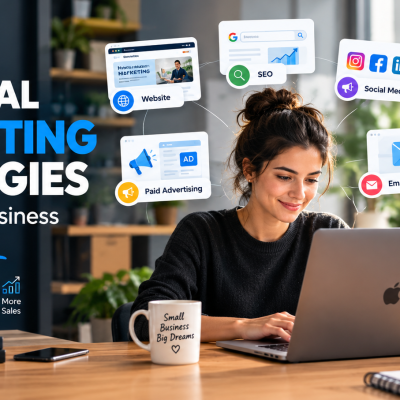
Digital Marketing: What Is It? A Complete Guide for Beginners in 2026? Digital marketing is not just about posting on Instagram. It includes several different strategies that work together to help a business grow. https://digiatishay.com/
1. Search Engine Optimization (SEO)
SEO is the process of optimizing a website so that it can appear higher in search engine results.
For example, if someone searches for:
“Best digital marketing agency near me”
businesses that have optimized their websites for relevant keywords have a better chance of appearing in search results.
SEO can help businesses generate organic traffic without paying for every click.
Some important areas of SEO include:
- Keyword research
- On-page SEO
- Technical SEO
- Content optimization
- Link building
- Local SEO
SEO is generally a long-term strategy, but it can provide valuable and consistent traffic when implemented correctly.
2. Social Media Marketing
Social media marketing involves promoting a business through platforms such as Instagram, Facebook, LinkedIn, YouTube, and other social networks.
Businesses can use social media to:
- Build brand awareness
- Share educational content
- Showcase products
- Engage with customers
- Generate leads
- Drive website traffic
- Build a community
For many businesses, social media is one of the easiest ways to regularly stay in front of their target audience.

3. Search Engine Marketing and Google Ads
Search Engine Marketing (SEM) includes paid advertising on search engines.
Google Ads is one of the most popular examples.
When someone searches for a service or product, businesses can run advertisements that appear in relevant search results.
For example:
“Digital marketing agency in Delhi”
A company offering digital marketing services can use Google Ads to reach people actively searching for those services.
The major advantage of paid advertising is that it can generate targeted traffic much faster than many organic marketing strategies.
4. Content Marketing
Content marketing involves creating useful and valuable content to attract a target audience.
Content can include:
- Blog posts
- Videos
- Reels
- Guides
- Infographics
- Case studies
- Social media posts
- E-books
For example, a digital marketing agency can publish an article about “How to Get More Customers From Instagram”.
Someone searching for that information may discover the article, visit the website, and eventually become a potential client.
This is why content marketing and SEO often work together. https://digiatishay.com/about/
5. Email Marketing
Email marketing involves using email to communicate with customers and potential customers.
Businesses can use email marketing for:
- Promotions
- Product launches
- Newsletters
- Offers
- Educational content
- Customer follow-ups
Email marketing can be particularly useful for maintaining relationships with existing customers and encouraging repeat purchases.
6. Influencer Marketing
Influencer marketing involves collaborating with creators or influencers who have an audience relevant to your business.
For example, a fashion brand may collaborate with a fashion creator to showcase its products.
The effectiveness of influencer marketing depends heavily on choosing the right creator and making sure their audience matches the brand’s target customers.
7. Affiliate Marketing
Affiliate marketing is a performance-based marketing strategy.
In this model, affiliates promote a company’s product or service and receive a commission when their referral results in a sale or another predefined action.
It can help businesses expand their reach while paying based on results.
How Does Digital Marketing Work?
A successful digital marketing strategy usually follows a simple customer journey.
Step 1: Reach the Right Audience
First, businesses identify who their ideal customers are.
For example:
- Age
- Location
- Interests
- Problems
- Buying behavior
- Income level
Step 2: Attract Attention
The business uses SEO, social media, advertising, content, or other channels to reach potential customers.
Step 3: Build Interest
Useful content, offers, testimonials, and a strong website help potential customers understand why they should choose the business.
Step 4: Generate Leads
The business encourages visitors to take an action such as:
- Filling out a form
- Calling the business
- Sending a WhatsApp message
- Booking a consultation
- Signing up for an email list
Step 5: Convert Leads Into Customers
Finally, the business follows up with potential customers and helps them make a purchase decision.
Step 6: Retain Customers
Digital marketing doesn’t stop after the first sale. Businesses can use email marketing, social media, offers, and customer engagement to encourage repeat purchases.

Benefits of Digital Marketing What is Digital Marketing?
There are several reasons why businesses invest in digital marketing.
1. Targeted Audience
Digital platforms allow businesses to target specific audiences based on factors such as location, interests, demographics, and online behavior.
2. Cost-Effective Marketing
Compared with many traditional advertising methods, digital marketing can be more flexible for businesses with smaller budgets.
3. Measurable Results
Businesses can track important metrics such as:
- Website visitors
- Clicks
- Leads
- Conversion rate
- Cost per lead
- Sales
- Return on ad spend
This makes it easier to understand what is working and what needs improvement.
4. Global Reach
A business can use digital channels to reach customers not only in its local area but also across different cities, countries, and regions.
5. Better Customer Engagement
Social media, email, websites, and messaging platforms allow businesses to communicate directly with their customers.
6. Increased Brand Awareness
Consistent online marketing helps businesses build recognition and establish a stronger presence in their industry.
Digital Marketing vs Traditional Marketing
Traditional marketing uses channels such as newspapers, television, radio, billboards, and printed advertisements.
Digital marketing uses online channels such as search engines, websites, social media, email, and online advertising.
The biggest advantage of digital marketing is the ability to target audiences, track performance, and optimize campaigns based on real data.
However, the best strategy depends on the business, target audience, goals, and available budget. In many cases, businesses can benefit from combining both traditional and digital marketing.
How Much Does Digital Marketing Cost?
There is no fixed price for digital marketing.
The cost depends on several factors, including:
- Business size
- Industry
- Marketing goals
- Target audience
- Services required
- Advertising budget
- Competition
- Geographic market
For example, a local business may need a strong Google Business Profile and local SEO strategy, while an e-commerce company may need SEO, Meta Ads, Google Ads, content marketing, and conversion optimization.
Instead of focusing only on the cheapest option, businesses should focus on return on investment (ROI) and the quality of the strategy.
How to Start Digital Marketing for Your Business, What is Digital Marketing?
If you’re a business owner and want to start digital marketing, follow these steps:
1. Define Your Goal ?
Decide what you want to achieve.
For example:
- More website visitors
- More leads
- More calls
- More sales
- More brand awareness
2. Identify Your Target Audience
Understand who your ideal customer is and what problem your product or service solves.
3. Build a Strong Online Presence
Make sure your website, social media profiles, and Google Business Profile are properly optimized.
4. Choose the Right Marketing Channels
You don’t need to use every platform.
Choose channels based on where your target customers spend their time.
5. Create Valuable Content
Publish content that answers your audience’s questions and solves their problems.
6. Track Your Results
Monitor your traffic, leads, conversions, and advertising performance.
7. Optimize Your Strategy
Use your data to understand what works and continuously improve your campaigns.
Final Thoughts What is Digital Marketing
Digital marketing has become an essential part of growing a business in today’s online-first world.
From SEO and social media marketing to Google Ads, content marketing, email marketing, and influencer marketing, businesses have many opportunities to reach potential customers online.
However, successful digital marketing is not simply about posting content or running advertisements. It requires the right strategy, consistent execution, proper targeting, and continuous optimization.
If you’re a business owner looking to increase your online visibility, generate more leads, or grow your sales, having a well-planned digital marketing strategy can make a significant difference.
Ready to Grow Your Business Online?
At DigiAtishay, we help businesses build a stronger digital presence through effective digital marketing strategies.
Whether you need help with SEO, social media marketing, content marketing, website optimization, or lead generation, the right strategy can help your business reach more potential customers.
Want to grow your business online? Get in touch with DigiAtishay today and take the next step toward building your online presence.